
Better Dead than (Dis)abled 2.0

Better Dead than (Dis)abled 2.0: Euthanasia (medical assistance in dying or MAiD) for people with mental illness and advance requests for euthanasia in the case of dementia
December 2, 2026 @ 1:00pm - 3:00pm Eastern Time
Sponsored by the Sociology of Disability Research Cluster
Society (dis)ables people with cognitive impairments tremendously.
Euthanasia erases suicide prevention. Because governments only fund medical mental-healthcare, Canadians without private insurance must pay for psychologists, counselling, and medications. This makes government-funded euthanasia dangerous. Poverty, food and housing insecurity, abuse, trauma, and racial/gender/(dis)ability oppression increase suffering. Euthanasia does nothing to address these.
Many fear dementia so much they believe they’d be better off dead. Systemic ableism, ageism, and cognitivism portray dementia as unbearable. Most media about dementia comes from people without it. Accordingly, those requesting death if they get dementia may change their minds. Will others honor their desire to live?
Co-moderators:
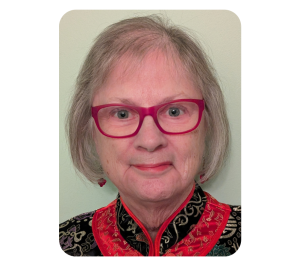 Margaret Oldfield, PhD, Disability Scholar-Activist (she/her)
Margaret Oldfield, PhD, with a career spanning five decades and lived disability experience, specializes in challenging dementia stereotypes, time in a nursing home, alternatives to long-term care, euthanasia (MAiD) for (dis)abled people, and advanced requests for euthanasia. She has over 100 publications and presentations, some on ResearchGate.

Jay Tang, PhD Candidate, University of Victoria (they/them)
Jay Tang, MSc, is a queer, trans, mentally ill researcher with lived experience of suicidality. They approach MAID from a disability justice framework, and their research focuses on queer disabled perspectives on MAID for mental illness, and the intersections between suicidality, suicide prevention, and MAID for mental illness.
Panelists:
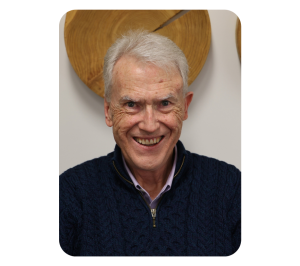 Jim Mann, LL.D., Researcher ~ Educator ~ Author ~ Speaker living with dementia (he/him)
I have Alzheimer's disease. I am a researcher, educator, and speaker.
My focus: 1) the stigma of dementia for people living with dementia; 2) meaningful and ethical engagement of people with dementia; and 3) the use of technology benefiting people with dementia living in the community, long-term care, & hospitals.
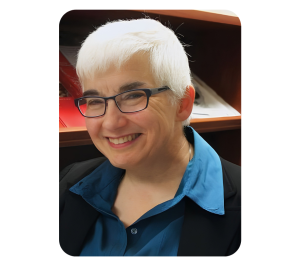 Catherine Ferrier, Physician, Division of Geriatric Medicine, McGill University Health Centre
Dr. Catherine Ferrier is a family physician working in the Division of Geriatric Medicine of the McGill University Health Centre, where she sees patients with ailments related to aging, especially neurocognitive disorders, and specializes in decision-making capacity assessment. She is Assistant Professor in the Department of Family Medicine at McGill University.
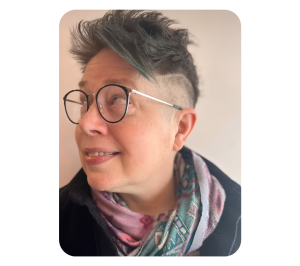 Ari Rochester, Artist-Researcher (they/them)
Bio coming soon
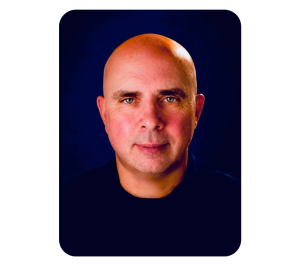 Orlando Da Silva, LLM, CEO, Administrative Tribunals Support Service of Canada (he/him)
Orlando Da Silva, LSM, is a lawyer, former Ontario Bar Association president and author of Thank God I Failed. Drawing on his lived experience of treatment-resistant depression and surviving a suicide attempt, he speaks and writes about mental health and brings that perspective to the debate on MAiD for mental illness.