Executive Committee
The Executive Committee is comprised of the President, President Elect, Past President, Treasurer, Secretary, Managing Editor of the Canadian Review of Sociology journal, the Communications Officer (also referred to as ‘Officers’), and the chairs of the following subcommittees and caucuses: Anti-Islamophobia, Black Caucus, Decolonization, Equity Issues, Francophone Affairs, Justice for Palestine, Public Engagement and Professional Concerns, Research Advisory, and Student Concerns (also referred to as ‘Directors’).
Officers are elected by the membership for their specific position and serve a three-year term. Terms may be extended for one year for all but the President’s position with Executive Committee approval. Directors are chosen by their particular subcommittee or caucus and may sit on the Executive Committee from one to three years.
See also;
About the Canadian Sociological Association Governance
Archived Executive Committee Officers
2026-2027 Executive Committee
|
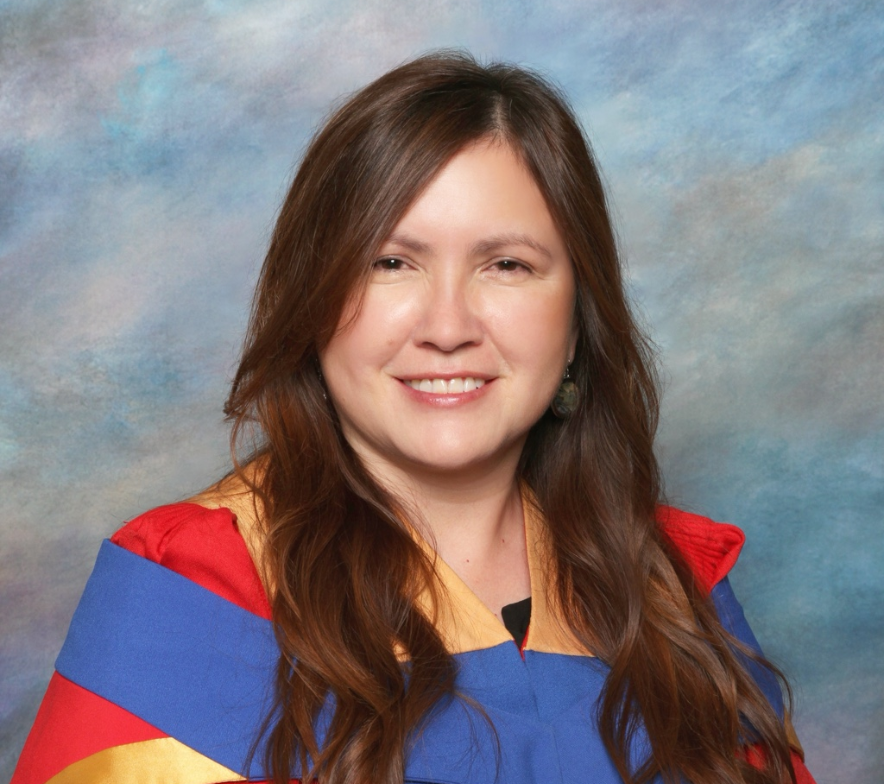
Dr. Catherine Corrigall-Brown |
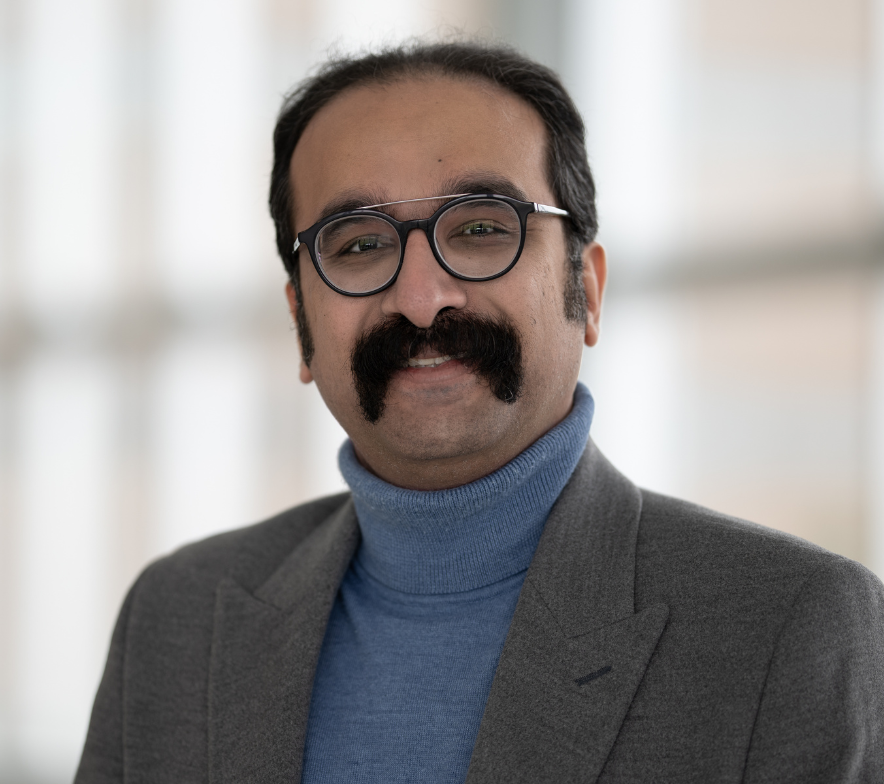
Dr. Zohreh Bayatrizi |
Dr. Mark C.J. Stoddart |
Dr. Julia Woodhall-Melnik |
|
Dr. Qian Wei |
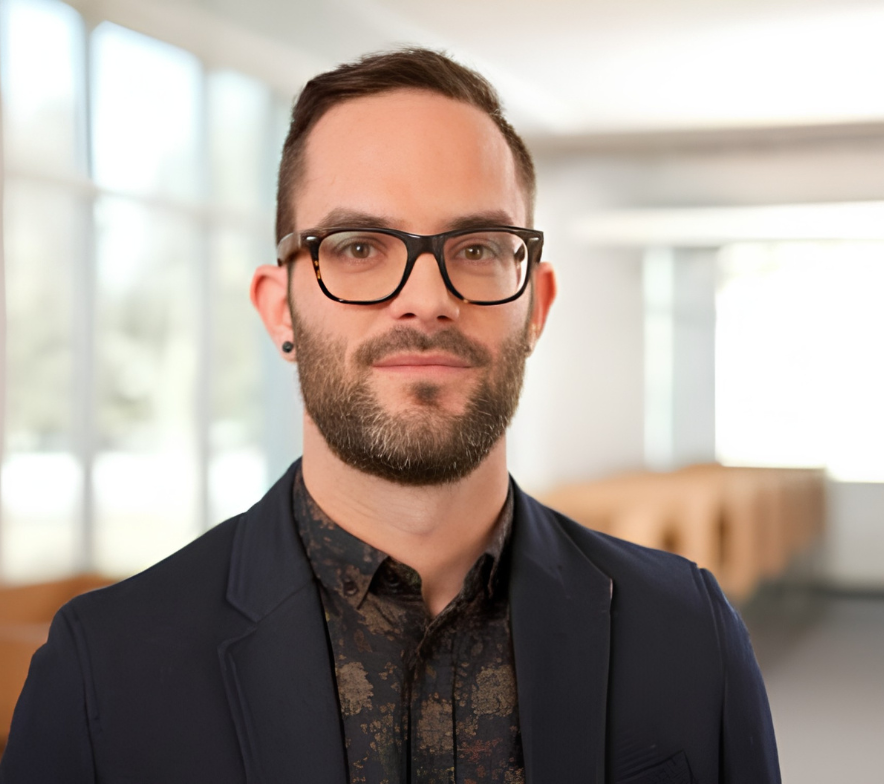
Mitchell McIvor |
Dr. Rochelle R. Côté |
Co-Chair-Anti-Islamophobia Caucus Dr. Leila Benhadjoudja |
|
Co-Chair-Anti-Islamophobia Caucus Dr. Saaz Taher |
Dr. Jessica Bundy |
Dr. Giselle Thompson |
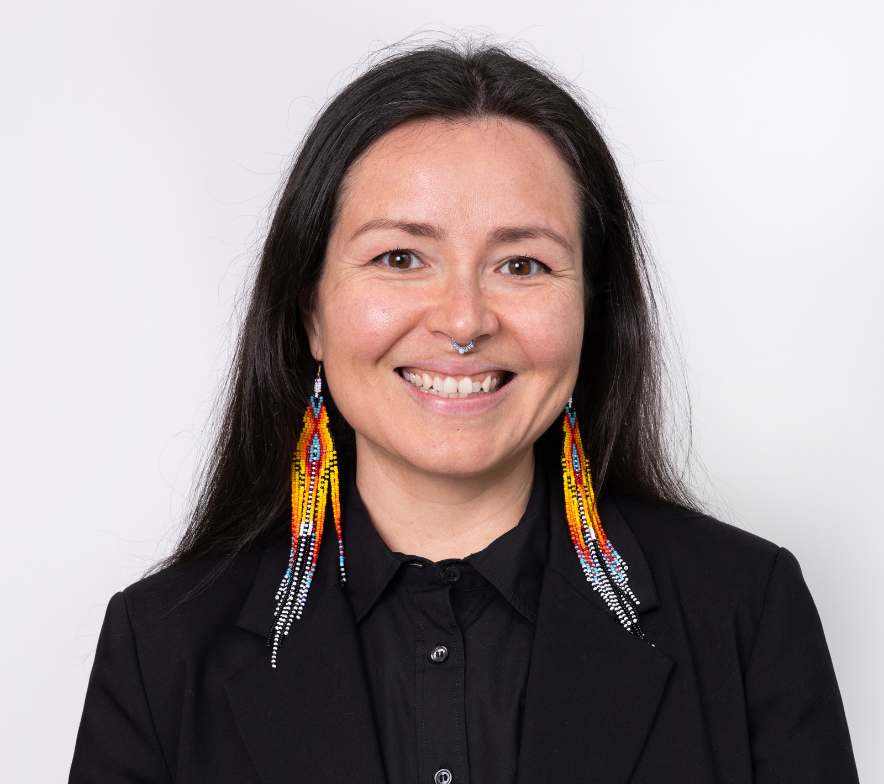
Co-Chair-Decolonization Caucus Dr. Terri-Lynn Fox |
|
Co-Chair-Decolonization Caucus Audrey Medwayosh |
Chair-Equity Issues Subcommittee Pouya Morshedi |
Chair-Francophone Affairs Caucus Dr. Guillaume Durou |
Co-Chair-Justice for Palestine Caucus Sonia D'Angelo |
|
Co-Chair-Justice for Palestine Caucus Dr. Alla Konnikov |
Co-Chair-Public Engagement and Professional Concerns Subcommittee Dr.Tom Buchanan |
Co-Chair-Public Engagement and Professional Concerns Subcommittee Dr.Andrey Kasimov |
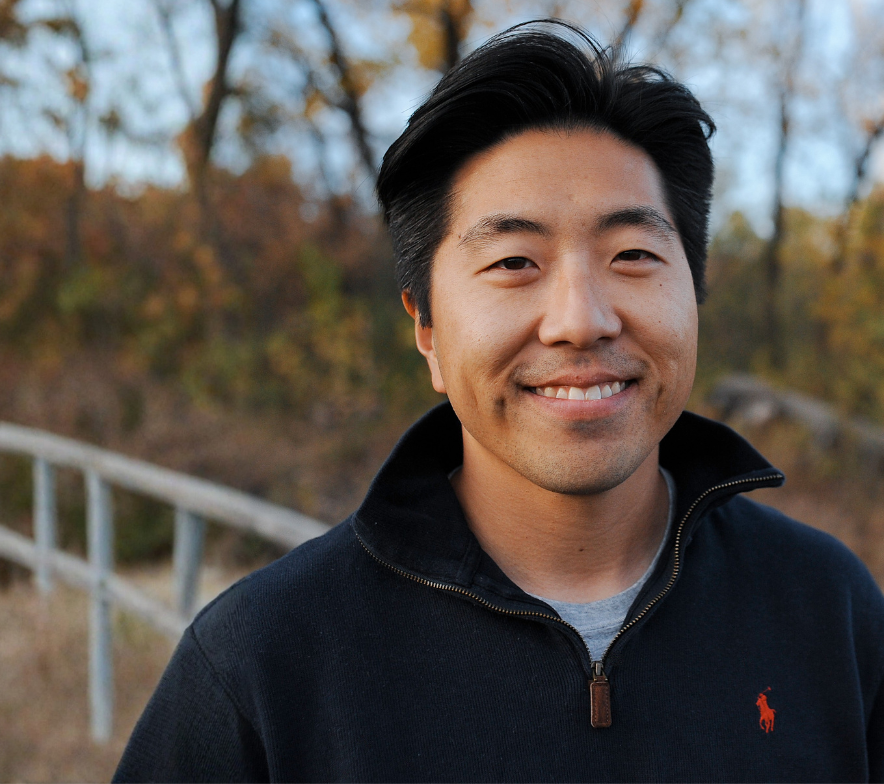
Chair-Research Advisory Subcommittee Dr. Timothy Kang |
|
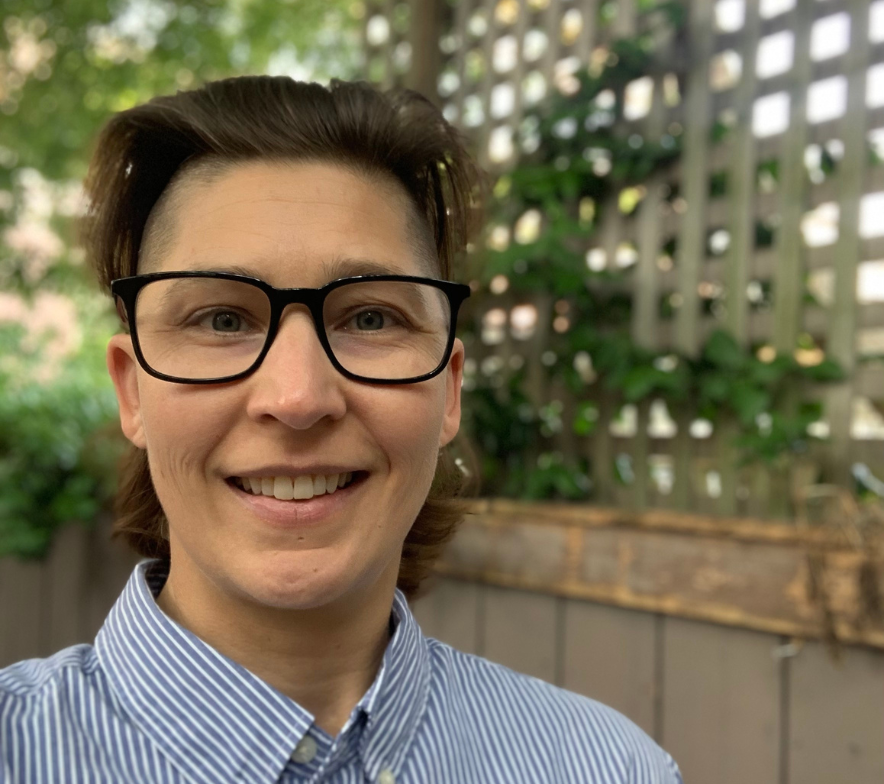
Chair-Student Concerns Subcommittee Nicole McNair |
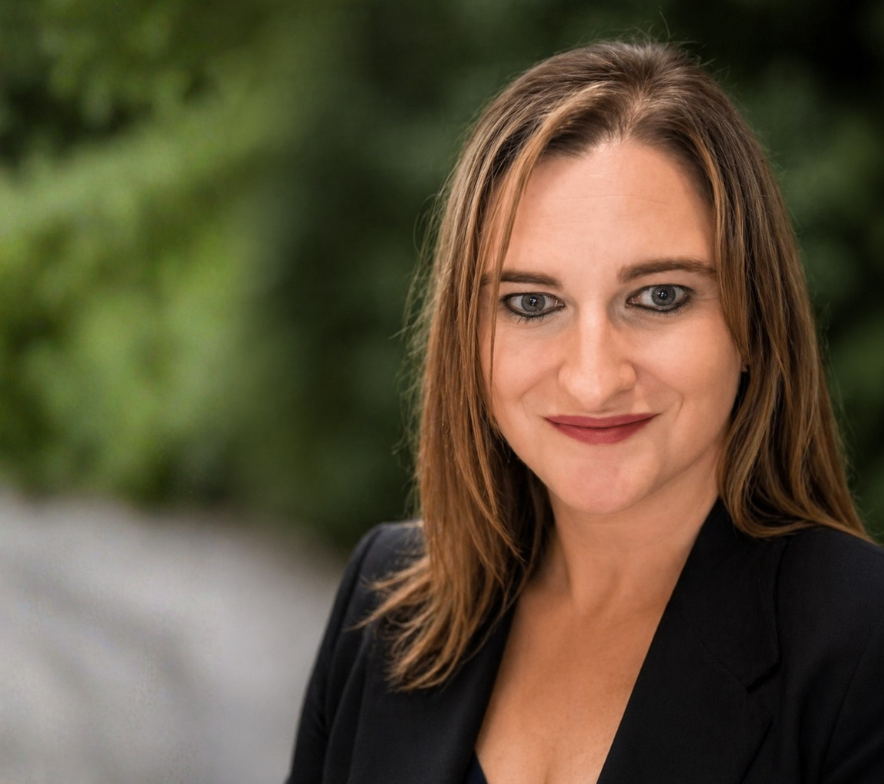
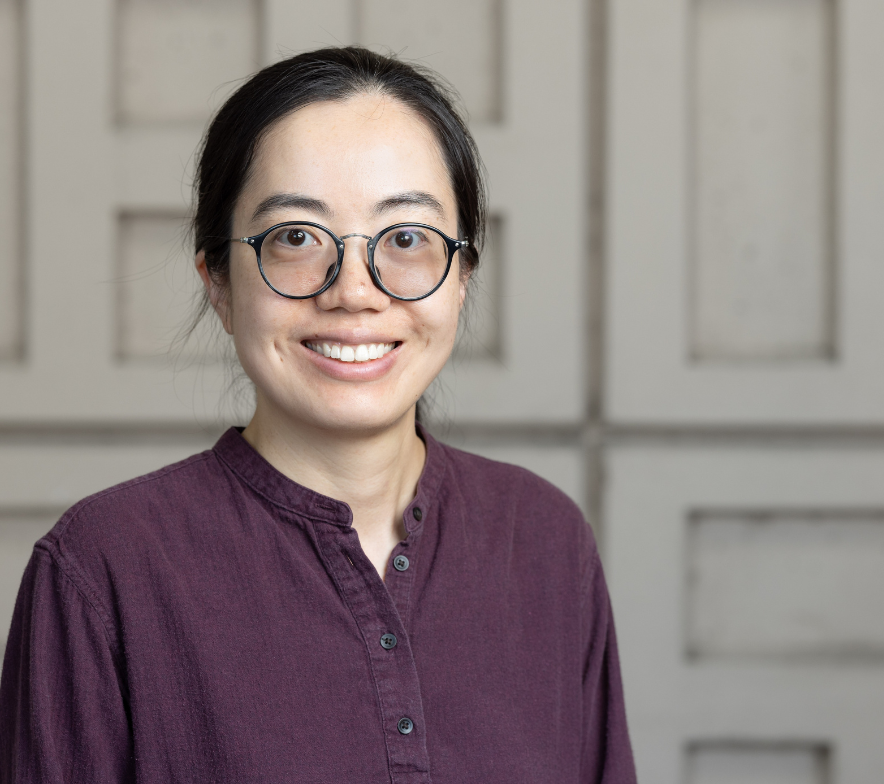
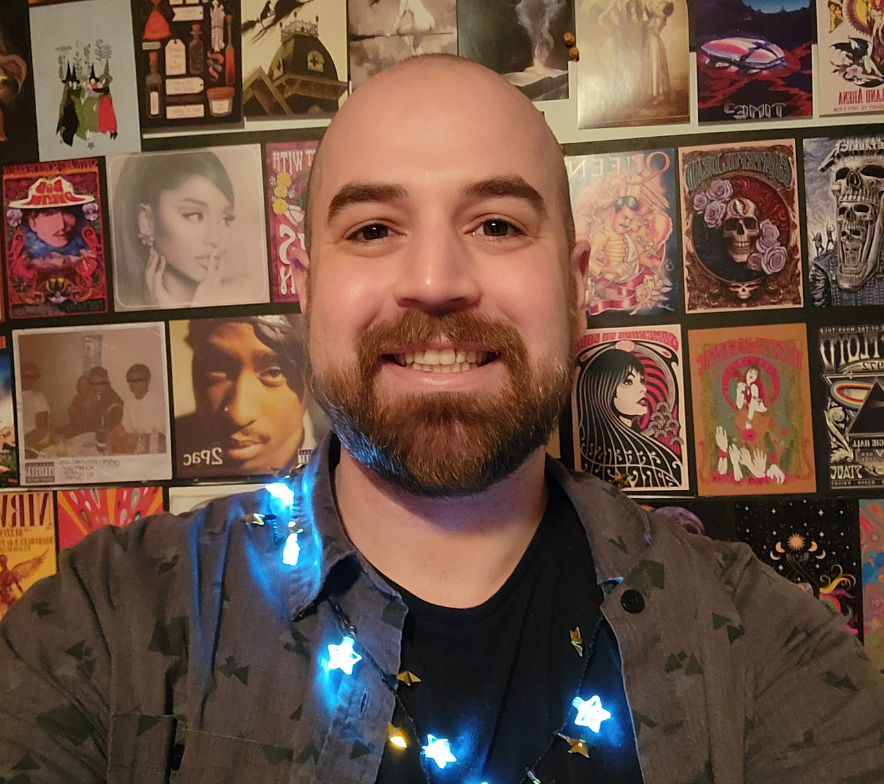
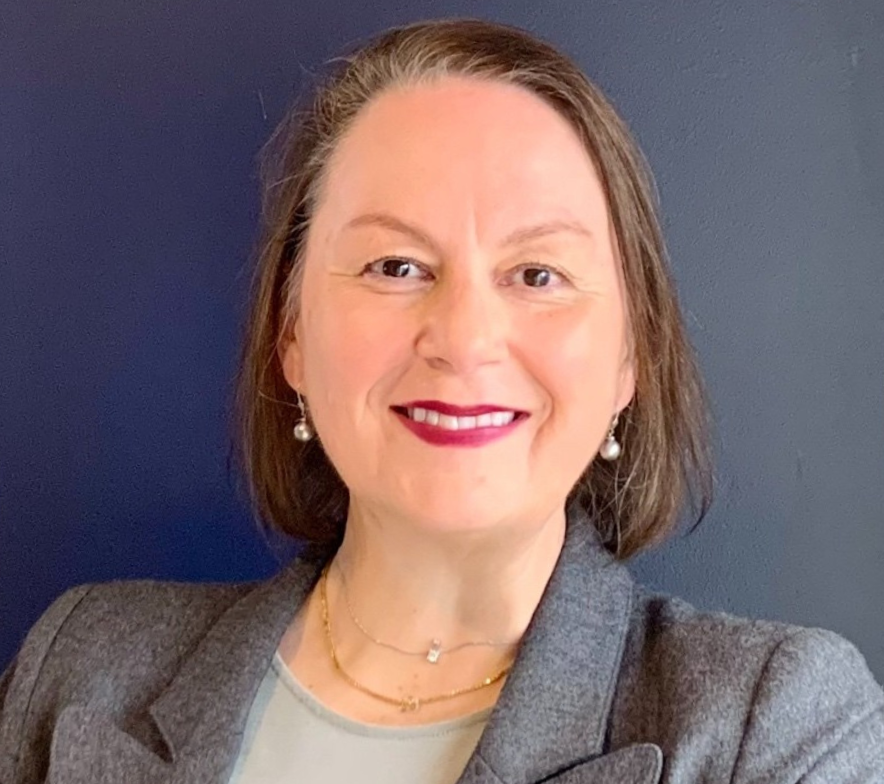
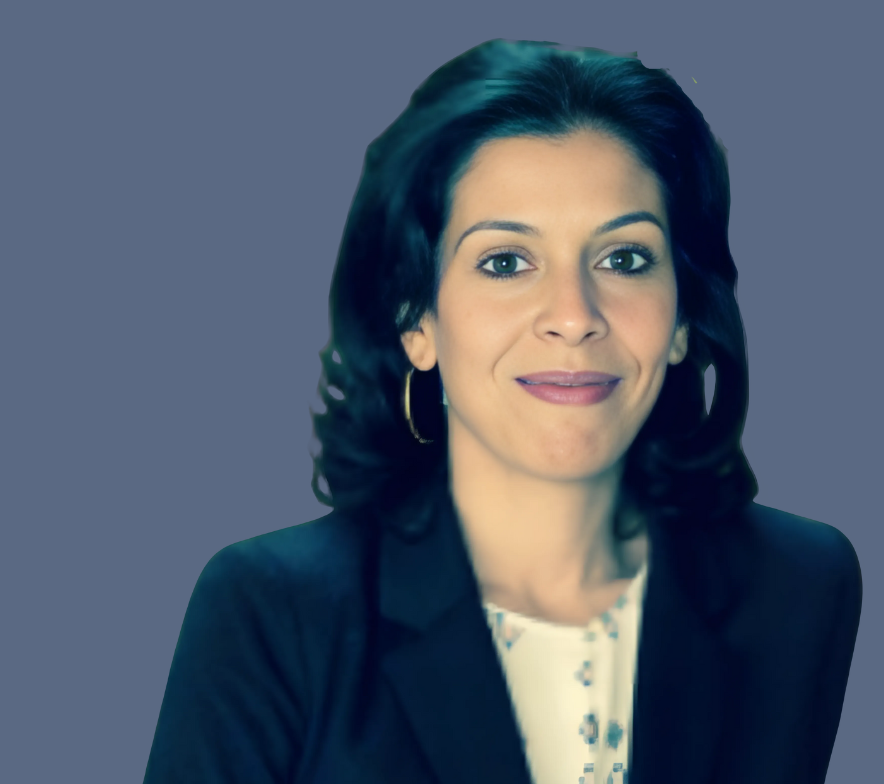
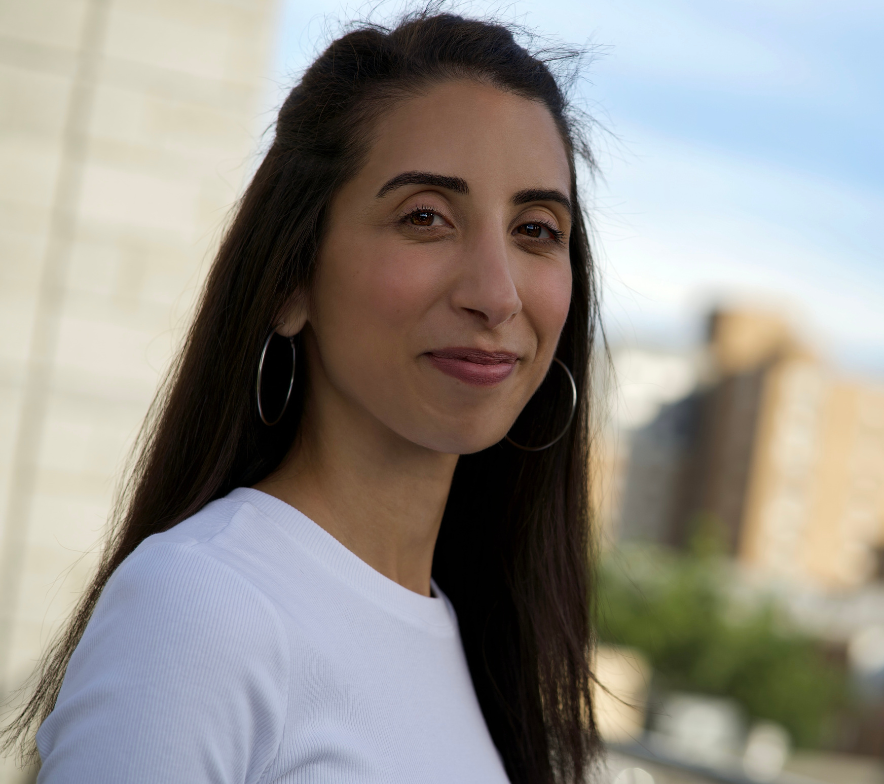
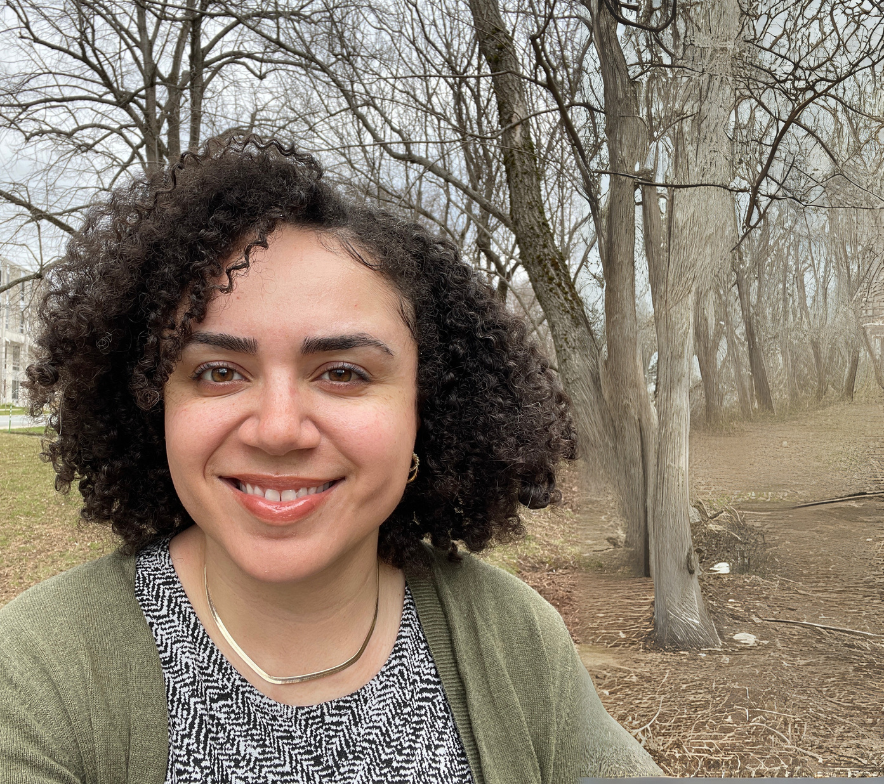
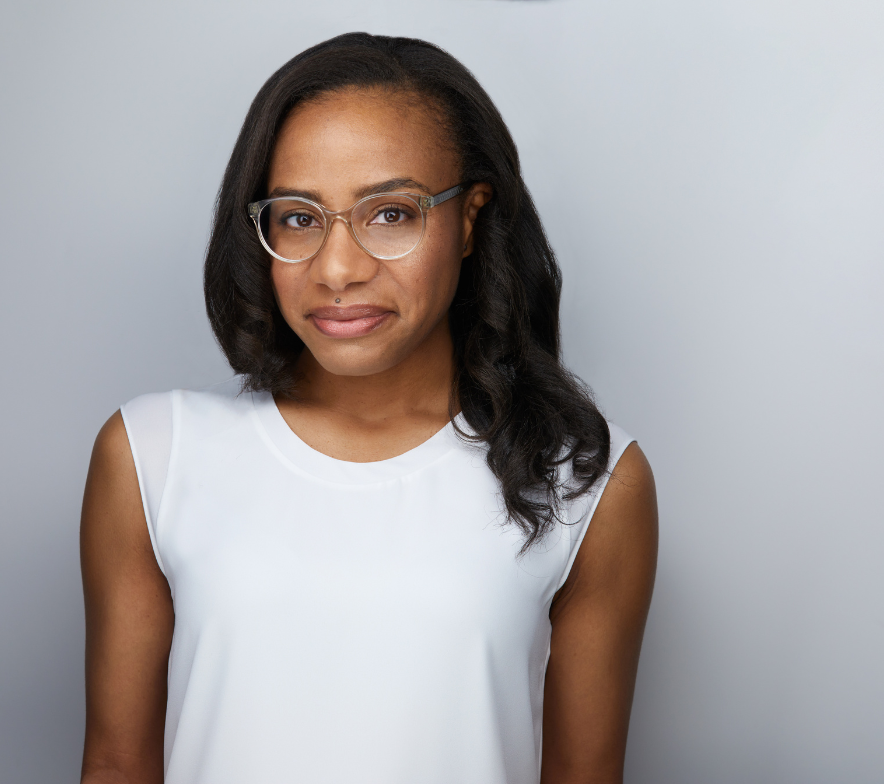
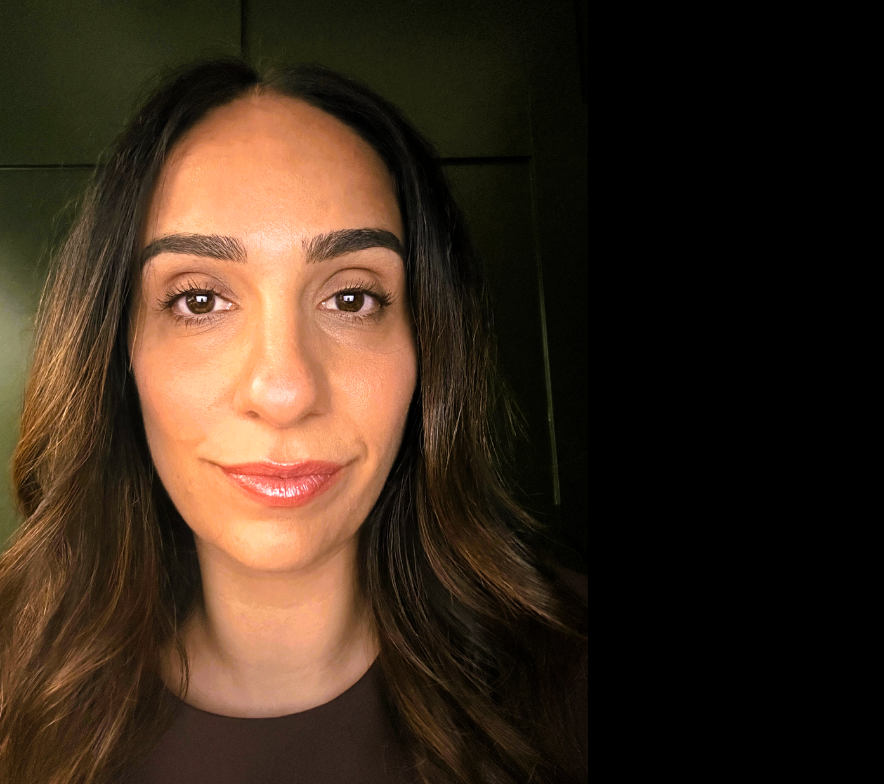
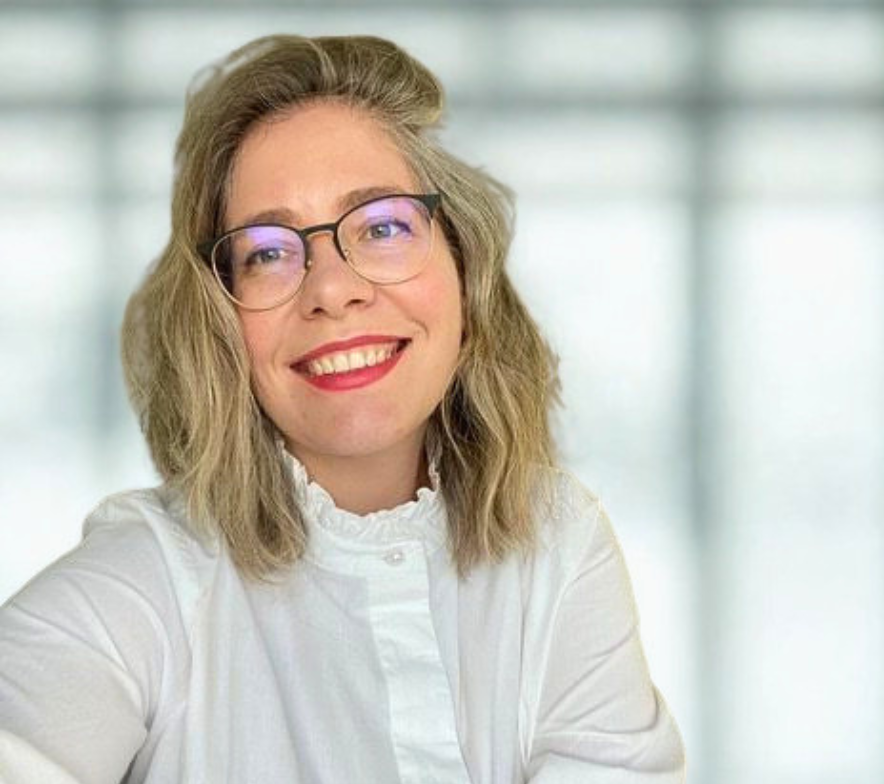
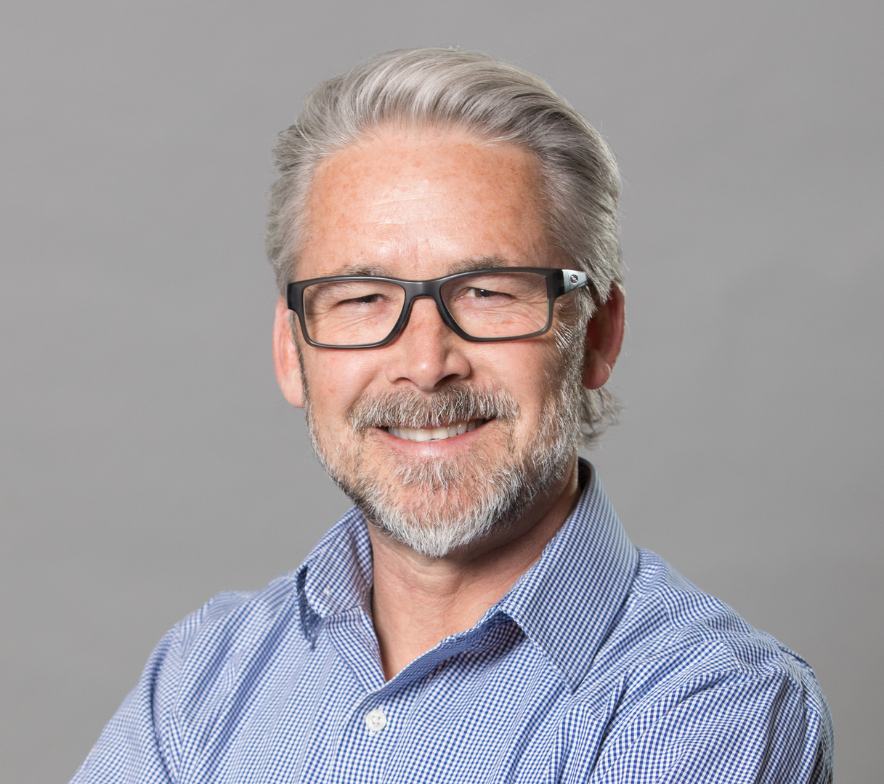
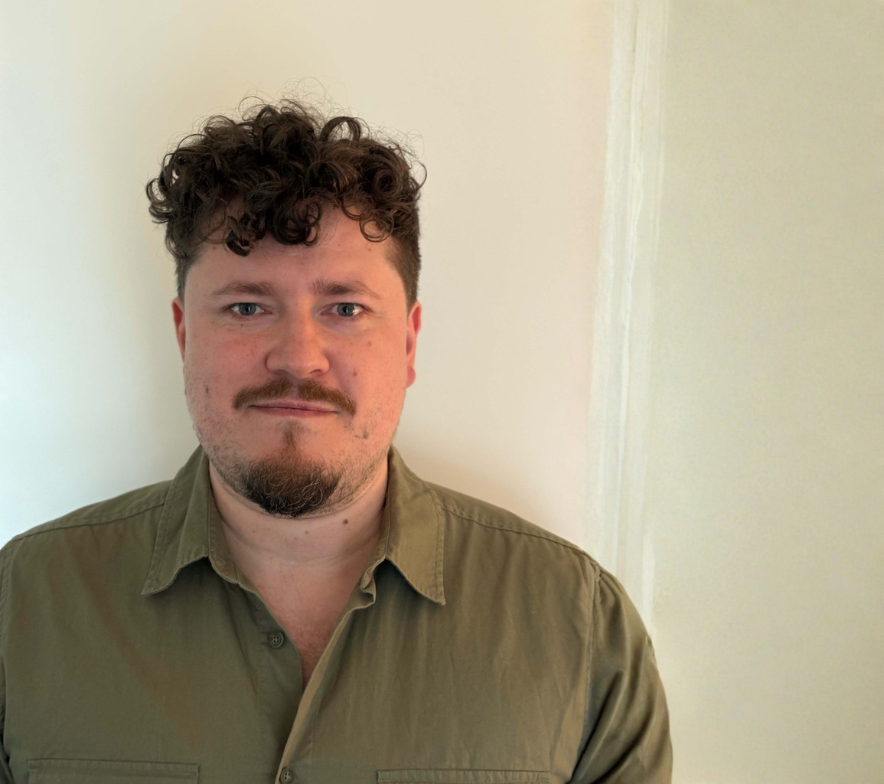
See also Canadian Sociological Association Subcommittees and Caucuses
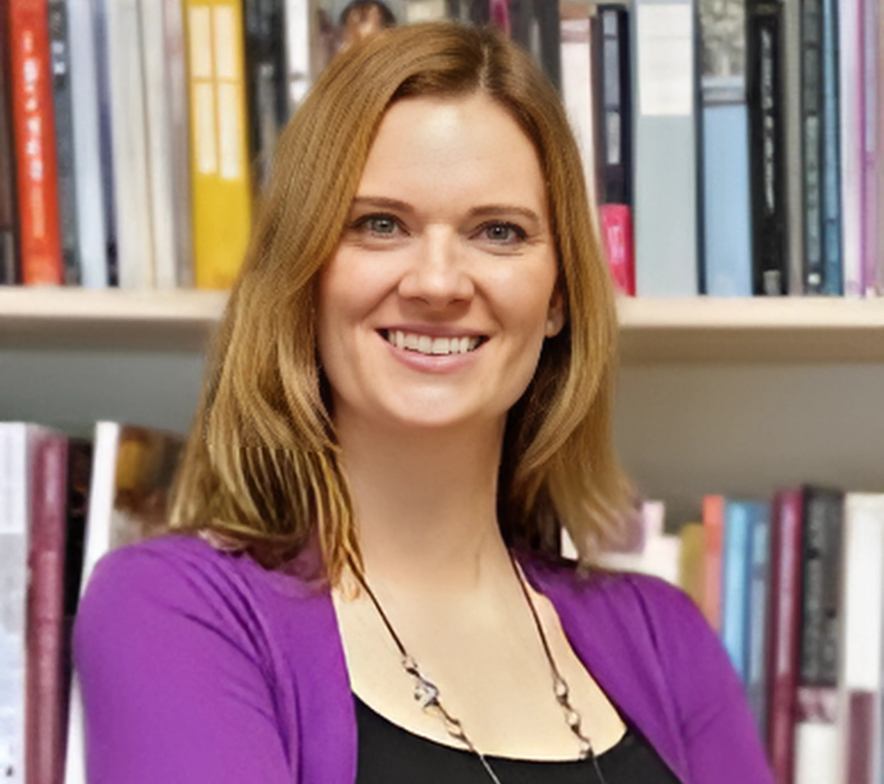
President: Dr. Catherine Corrigall-Brown
Catherine Corrigall-Brown is a Professor and the Head of the Sociology Department at the University of British Columbia. Her research focuses on social movements and protest, particularly examining what keeps individuals involved in activism over time, framing, and identity. She is the author of seven books, including Patterns of Protest: Trajectories of Participation in Social Movements (Stanford University Press, 2011) and Keeping the March Alive: How Grassroots Activism Survived Trump’s America (New York University Press, 2022). She is also the author of textbooks for Introduction to Sociology in Canada called Imagining Sociology, now in its 3rd edition with Oxford University Press. She has published more than 40 articles, book chapters, and review essays. These works have appeared in journals such as Social Forces, Mobilization, American Behavioral Scientist, the International Journal of Comparative Sociology, Sociological Perspectives, Social Movement Studies, and the Canadian Review of Sociology. This research was funded by grants from the Social Sciences and Humanities Research Council (Canada) and the National Science Foundation (USA). She has served as chair of the Collective Behavior and Social Movement section and the Peace, War, and Social Conflict section of the American Sociological Association. She is currently a deputy editor of Mobilization, the premiere social movements journal, and has served as the Chair of the SSHRC adjudication panels for Sociology. She was awarded the Outstanding Contribution to Teaching Award from the CSA in 2022 and the UBC Killam Faculty Teaching Prize in 2017. She also received the Early Investigator Award for best early career scholar from the Canadian Sociological Association in 2013.
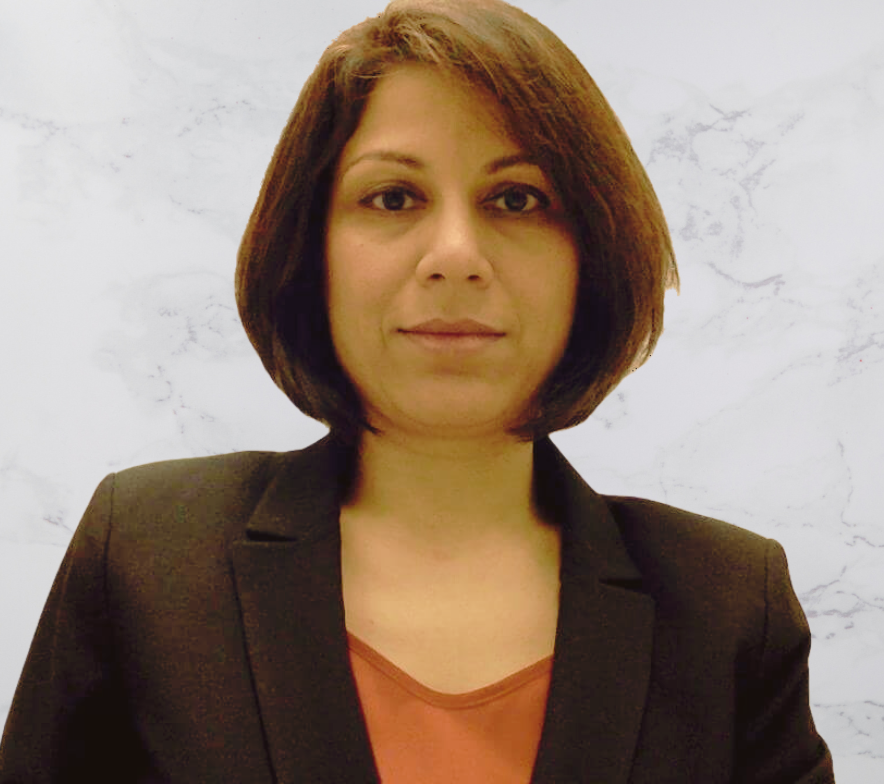
President-Elect: Dr. Zohreh Bayatrizi
Zohreh Bayatrizi is a Professor in Sociology at the University of Alberta. She received her MA and PhD degrees from the University of British Columbia and her BA degree from the University of Tehran. Her main interests are the history of sociology, sociology of death and dying, and sociology of Iran. She is the author of Life Sentences: The Modern Ordering of Mortality. She teaches courses in social theory, sociology of death, and introductory sociology. She has extensive engagement with the CSA having previously served as Secretary on the Executive Committee, as a member of the CSA Research Advisory Subcommittee, and chair of the Social Theory Research Cluster.
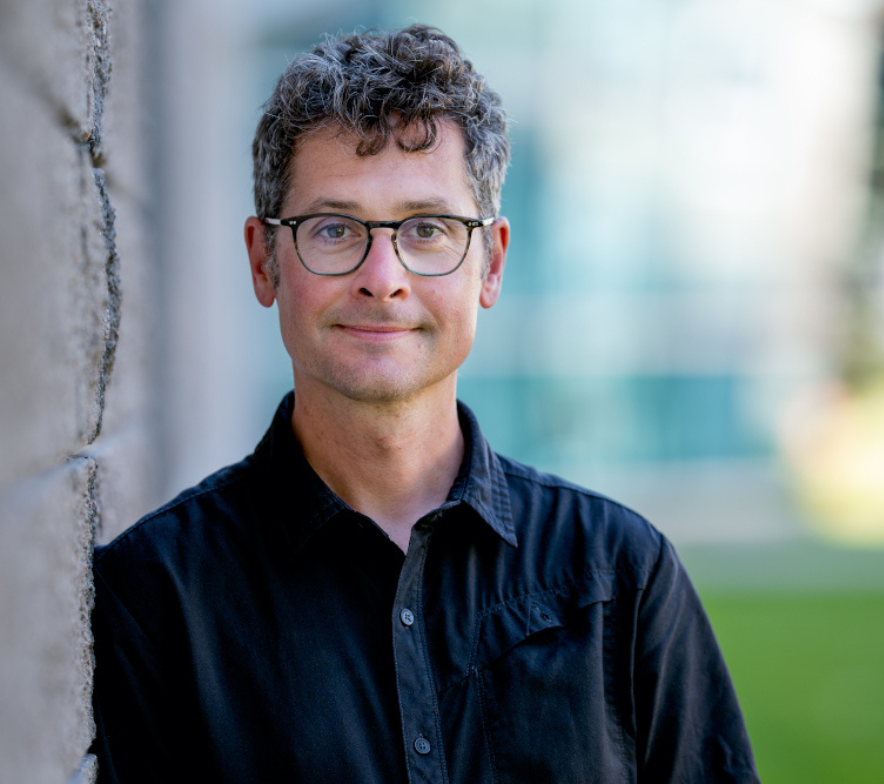
Past-President: Dr. Mark C.J. Stoddart
Mark Stoddart is a Professor of Sociology at Memorial University, where he was the 2024 recipient of the Faculty of HSS Dean’s Award for Distinguished Scholarship. His areas of research, teaching, and student supervision include environmental sociology, political sociology and social movements, and communications and culture. His current research interests include the sociological dimensions of climate change, oil and energy transitions, and company-community relations in the extractive sectors. He is co-author of the new book Understanding Environmental Sociology (Elgar). This wide-ranging work argues that sociology provides an essential toolkit for understanding environmental conflicts and sustainability solutions because of our discipline’s focus on power and inequality, social network dynamics, and culture and discourse. He is co-editor of the Handbook of Anti-Environmentalism (Elgar) and Revitalizing PLACE through Social Enterprise (Memorial University Press) and is Associate Editor of the journal Environmental Sociology. Dr. Stoddart is a member of the Royal Society of Canada College of New Scholars, Artists, and Scientists.
Treasurer: Dr. Julia Woodhall-Melnik
Julia Woodhall-Melnik is a Professor of Sociology and the Canada Research Chair (SSHRC Tier 2) in Resilient Communities at the University of New Brunswick in Saint John. She is also the founder and co-director of the Housing, Mobilization & Engagement Research Lab (HOME RL). Her research, currently funded through a SSHRC Insight Grant, Partnership Engage Grant, CIHR, and Research New Brunswick, focuses on the experiences and needs of low-to- moderate income tenants as they wait for access to social housing, the needs of housing non profit providers and co-operatives, and the mental and physical health of individuals waiting for and moving into subsidized housing. She is recognized as an international leader in the study of Housing First and collaborates with other scholars of affordable housing and homelessness on a variety of SSHRC and CIHR-funded research projects that aim to improve housing security, accessibility, and affordability for renters and individuals experiencing homelessness. Her teaching practice centres on providing opportunities to "do sociology" in the real world through experiential education. Julia was the Treasurer of the CSA from 2021 to 2024 and fills the role of acting Treasurer for a one-year term (2026-2027).
Secretary: Dr. Qian Wei
Qian Wei is an Assistant Professor in the Department of Sociology at Wilfrid Laurier University. Her research interests focus on civil society, civic participation, democracy, AI, and the politics of (de)globalization. Her work has appeared in leading journals including The Sociological Quarterly, VOLUNTAS, and FACETS, addressing topics ranging from nonprofit leaders’ power to human rights in developing countries, and gender inequality in science. She is the author of The Governance of Philanthropic Foundations in Authoritarian China: A Power Perspective (Routledge, 2023). Her current research examines participation across civic organizations, the political consequences of trade globalization and deindustrialization, and how AI is reshaping decision-making in organizations.
Communications Officer: Dr. Mitchell McIvor
Mitchell McIvor is an Assistant Professor of Sociology (Teaching Stream) at the University of Toronto, St. George Campus. He specializes in Universal Design for Learning, Equity-Based Assessments, Community Engaged Learning, and teaching large Introduction to Sociology courses. He served as the ASA’s Teaching and Learning Section newsletter editor from 2019-2023 and as the Chair of the ASA Teaching and Learning section publications committee from 2020-2023. He has won numerous Teaching Awards including the University of Toronto Student’s Unions 2025 Educator of the Year Award and the Most Outstanding Teacher Award at the University of West Georgia (2019 and 2020). Dr. McIvor was born and raised in Saskatchewan and has been a member of the CSA since 2010.
Canadian Review of Sociology Journal Managing Editor: Dr. Rochelle R. Côté
Rochelle R. Côté, FRSA (PhD, Toronto) is an Associate Professor in the Department Sociology and Faculty of Business Administration at Memorial University, and is a Global Member of the Dilin Duwa Centre for Indigenous Business Leadership at the University of Melbourne, Australia. Dr. Côté’s works predominantly with Indigenous colleagues and communities in Canada, Australia, and New Zealand, with a research focus on entrepreneurship as a pathway to economic, social, and cultural prosperity. She is also a member of the SSHRC-NCTR WISH grant team, tasked with documenting and amplifying urban Indigenous stories in partnership with Indigenous community organizations in Newfoundland and Saskatchewan. Her work has appeared in such journals as Business and Society, Social Networks, Social Problems, Demography, Sociology, Journal of Sociology, and American Behavioral Scientist, alongside various edited volumes, and she has consulted with the Office of the Federal Interlocutor for Métis and Non-Status Indians, the Aboriginal Policing Directorate, the Social Research and Demonstration Corporation, and most recently, the Innu Partnership and Business Development Office. She is also co-editor of the recently published edited volume Handbook on Inequality and Social Capital (Edward Elgar), with colleagues Steve McDonald & Jing Shen.
Anti-Islamophobia Caucus Co-Chair: Dr. Leila Benhadjoudja
Leila Benhadjoudja (She/Elle) is an Associate Professor at the Institute of Feminist and Gender Studies and the School of Sociological and Anthropological Studies at the University of Ottawa. She holds a PhD in Sociology and specializes in sociology of racism and anti-racism, critical race studies, critical Muslim studies, and Islamophobia studies. Benhadjoudja is a co-founder of the Feminist Festival in Ottawa . Her publications include articles such as “Racial Secularism as Settler Colonial Sovereignty in Quebec” in the Islamophobia Studies Journal and “Territories of Liberation: Muslim Feminist Perspectives” in the journal Tumultes.
Anti-Islamophobia Caucus Co-Chair: Dr. Saaz Taher
Saaz Taher is an assistant professor in the Department of Social and Public Communication at the Université du Québec à Montréal. Her research lies at the intersection of critical race studies, critical migration and diaspora studies, and feminist epistemologies from the Global South and from critical Muslim traditions. Her work has been published in journals, including Politique et Sociétés, Canadian Journal of Political Science, Canadian Journal of Law and Society and Feminist Encounters.
Black Caucus Co-Chair: Dr. Jessica T. Bundy
Jessica T. Bundy (she/her) is an Assistant Professor in the Department of Sociology and Anthropology and is also affiliated with the Criminal Justice and Public Policy (CJPP) program at the University of Guelph. She is an interdisciplinary Black Studies scholar whose work focuses on the intertwined impacts of colonialism, systemic racism, patriarchy, and capitalism on Black communities in Canada and the wider-African Diaspora. Her work exists at the intersection of sociology, critical criminology, legal studies, women and gender studies, political science, and history with the objective of exploring inequity, inequality, and marginalization through various identities with a focus on race. Of particular concern to her are the ways in which ant-Black racism manifests in relation to the criminal justice system.
Black Caucus Co-Chair: Dr. Giselle Thompson
Giselle Thompson is the Assistant Professor of Black Studies in Education at the University of Alberta, where she teaches in the Social Justice and International Studies in Education graduate specialization and the Bachelor of Education program. Her award-winning research exists at the nexus of critical studies in the Sociologies of Race, Education, Gender, Diaspora, and International Development and seeks to understand how colonialism, racial capitalism, white supremacy, and modernity operate globally and are implicated in the ongoing (mis)education of Black people. She is particularly concerned with how anti-Black racism in its various iterations including, but not limited to, lack of accessibility, under-resourcing, and curricular deficits impede on holistic learning for Black school-aged children and youth and diasporic groups in both local and transnational contexts. Her current research project examines the ways in which the transhistorical phenomenon of Black motherwork is deployed in school settings and in other sites of learning to resist these social maladies, whilst transmitting ethics of love, care, and concern.
Decolonization Caucus Co-Chair: Dr. Terri-Lynn Fox
Dr. Terri-Lynn Fox is Blackfoot (Kainai Nation/Blood Tribe) and an Assistant Professor in the Department of Sociology and Anthropology at Mount Royal University. Her scholarship brings together Indigenous methodologies, trauma and healing, relational accountability, and decolonizing research, education, and governance. With more than two decades of leadership across Indigenous health, post-secondary education, and community-based healing initiatives, she works alongside First Nations communities to advance culturally grounded approaches to wellness, systems change, and Indigenous resurgence.
Her research and teaching are rooted in Blackfoot ways of knowing and affirm that culture, language, ceremony, and relationships are living sources of strength and collective healing. Dr. Fox is committed to creating spaces where Indigenous knowledge is recognized as rigorous scholarship and where decolonization is lived through relationship, reciprocity, responsibility, and respect.
Decolonization Caucus Co-Chair: Audrey Medwayosh
Audrey Medwayosh is Anishinaabe (Potawatomi) and a citizen of the Wasauksing Nation in Parry Sound, Ontario. She also has German ancestry and was born and raised in British Columbia. She is a doctoral student in the Faculty of Native Studies at the University of Alberta. Her research focuses on deathcare processes for urban Indigenous people. Audrey’s work is informed by critical Indigenous theory and necropolitical theories from Foucault, Mbembe, Butler, Agamben. Audrey holds a BA in English Literature and a BA (honours) in Anthropology, both from the University of British Columbia. She obtained her MA in Sociology at the University of Alberta, where her thesis looked at urban Indigenous experiences of grief and bereavement. She has been a member of CSA since 2022.
Equity Issues Subcommittee Chair: Pouya Morshedi
Pouya Morshedi is a Ph.D. candidate (ABD) in sociology at Memorial University of Newfoundland and Labrador. He is a qualitative researcher specializing in the sociology of space and place, the sociology of cinema, and the sociology of revolution, who have publication in these areas. Pouya has been one of the co-organizers of the Qualitative Analysis Conference since 2022. He also chaired the EDIA committee at the Society for the Study of Symbolic Interaction (SSSI), and served as a member of the Transnational Initiatives Committee at the Society for the Study of Social Problems (SSSP). Pouya has been an active member of CSA since 2022, presenting his research and organizing and chairing sessions. He has been a member of the Equity Issues Subcommittee since 2025. Pouya also won the Congress Graduate Student Merit Award in 2025.
Francophone Affairs Caucus Chair: Dr. Guillaume Durou
Guillaume Durou is an Associate Professor, University of Alberta, Campus Saint-Jean whose research areas include; Sociologie historique canadienne et Québécoise, sociologie historique de la famille, antisémitisme, histoire du capitalisme, analyse des classes, théories des classes sociales, et Francophonie de l'Ouest. He is a co-founder of the Francophone Affairs Subcommittee and the Prix d'excellence en sociologie de langue française.
Justice for Palestine Caucus Co-Chair: Sonia D'Angelo
Sonia is a feminist sociologist and contract faculty member at Wilfrid Laurier University. Her scholarship examines the sociology of gender through critical femininities scholarship and intersectional feminist theory, focusing on the production, negotiation, and enactment of femininities within contemporary socio-political contexts. Her research also explores digital cultures and emerging technologies, particularly the intersections of digital misogyny, femmephobia, gender-based violence, and far-right politics within online spaces such as the manosphere. She teaches courses in sociology and criminology, grounding her teaching in anti-racist, feminist, and community-engaged approaches.
Justice for Palestine Caucus Co-Chair: Dr. Alla Konnikov
Alla Konnikov is an Assistant Professor at Concordia University of Edmonton and an Adjunct Professor in the Department of Sociology at the University of Alberta. Her research employs an intersectional lens to examine how inequalities are produced and reproduced in organizations, work processes, and labour markets, situating this inquiry within contemporary forces such as the increasing digitization and automation of work and the growing diversity of the workforce. Alla has served as a committee member on the J4P subcommittee since its formation and will be stepping in as co-chair this year.
Public Engagement and Professional Concerns Subcommittee Co-Chair: Dr. Tom Buchanan
Tom Buchanan is a Professor of Sociology at Mount Royal University. While serving as Chair of the Sociology and Anthropology Department (2012-2022), he received MRU’s Distinguished Administrator/Manager Award. His research focuses on examining gender inequalities at work, in organizations, and in families with an emphasis on the gender gap in parenting time and its consequences. In addition, Tom and collaborators have developed measures of helicopter parenting. Tom also explores the experiences of students with disabilities and parents of children with disabilities. Tom was a member of a team of faculty, staff, and students organizing anti-racist efforts in sociology and anthropology receiving the Faculty of Arts, MRU, Outstanding Team Award. Tom served as Co-Chair of MRU’s Joint Diversity and Equity Committee (2017-2021). Tom typically teaches introductory sociology and quantitative research methods courses. He is also a co-instructor of a multidisciplinary Sri Lanka field school for which he teaches comparative social problems.
Public Engagement and Professional Concerns Subcommittee Co-Chair: Dr. Andrey Kasimov
Andrey Kasimov is a Senior Research Associate at the Diversity Institute. He contributes to large-scale projects through survey design, mixed-methods data analysis, and the development of evaluation frameworks that inform policy and practice. He holds a PhD in Sociology from McMaster University, where his research examined digital communication networks, online communities, and the spread of mis/disinformation, with a focus on how decentralized far-right groups mobilize in difficult-to-access online spaces. Andrey has organized and chaired panels, roundtables, and workshops on digital culture, researcher safety, and emerging technologies, and has delivered invited talks and training sessions for early-career researchers on safe and effective approaches to online research.
Research Advisory Subcommittee Chair: Dr. Timothy Kang
Timothy Kang is an Assistant Professor in the Department of Sociology at the University of Saskatchewan. He researches and teaches in life course theory, the sociology of crime, applied and public sociology, and social research methodology. Tim has been a member of the CSA since 2013 and has served on the association’s Student Concerns Subcommittee (2016-18) and the Research Advisory Subcommittee (2024-present).
Student Concerns Subcommittee Chair: Nicole McNair
Nicole McNair (they/them/any) is a PhD candidate in Sociology at McMaster University and is also completing a Graduate Diploma in Gender & Social Justice. Nicole completed their comprehensive examinations in the areas of Indigenous Thought & Settler Colonial Studies, and Political Sociology & Social Movements. Nicole’s PhD research examines the intersections of Indigenous motherhood, activism, and fear that emerge from the National Inquiry into MMIWG2SLGBTQIA+. Nicole is engaged in student advocacy work with their department Graduate Student Caucus and as the Chair of the CSA Student Concerns Subcommittee. As a white settler with treaty responsibilities, Nicole’s research and advocacy work is influenced by decolonial frameworks, Indigenous and abolitionist feminisms, and settler colonial studies.
Archived Executive Committee Officers:
President (President Elect - President - Past President)
2025-2028 - Catherine Corrigall-Brown, University of British Columbia
2024-2027 - Mark C.J. Stoddart, Memorial University of Newfoundland
2023-2026 - Liam Swiss, Acadia University
2022-2025 - Temitope Oriola, University of Alberta
2021-2024 - Irene Shankar, Mount Royal University
2020-2023 - Abdie Kazemipur, University of Calgary
2019-2022 - Xiaobei Chen, Carleton University
2018-2021 - Tina Fetner, McMaster University
2017-2020 - Myrna Dawson, University of Guelph
Secretary
2023-2026 - Zohreh BayatRizi, University of Alberta
2020-2023 - Vivian Shalla, University of Guelph
2017-2020 - Lori Wilkinson, University of Manitoba
Treasurer
2024-2026 - Qiang Fu, University of British Columbia
2021-2024 - Julia Woodhall-Melnik, University of New Brunswick
2019-2021 - Mark C.J. Stoddart, Memorial University of Newfoundland
CRS Journal Managing Editor
2025-2028 - Rochelle R. Côté, Memorial University of Newfoundland
2022-2025 - Dominique Clément, University of Alberta
2019-2022 - Karen Stanbridge, Memorial University of Newfoundland
Communications Officer
2025-2028 - Mitchell McIvor, University of Toronto
2022-2024 - Naomi Lightman, Toronto Metropolitan University; University of Calgary
2020-2022 - Dan Kudla, University of Guelph
2017-2020 - Mervyn Horgan, University of Guelph